🌆

🇬🇷 Greece

Daily Life

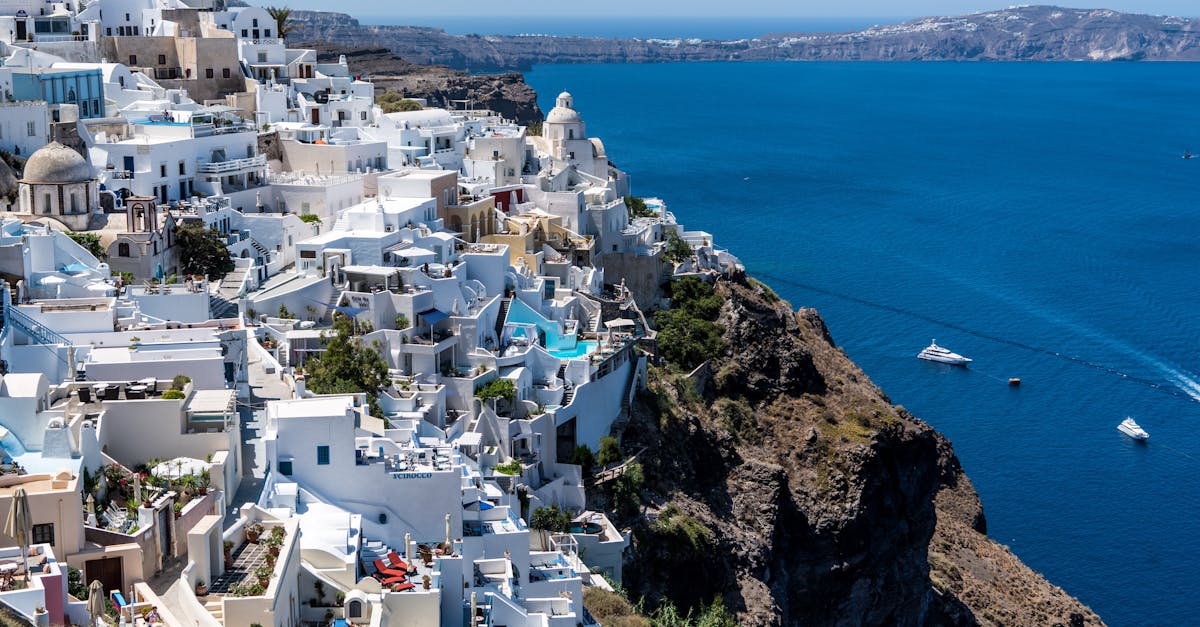
Daily life in Greece is one of the genuine pleasures of expat existence in Europe. The culture is warm, the food extraordinary, the social pace relaxed, and the natural beauty overwhelming.

~19°C annual avg.

Climate (Athens)

Hot dry summers, mild winters

2,800/yr

Sunshine Hours (Athens)

One of Europe's sunniest capitals

Large & growing

Expat Community

Particularly in Athens, Glyfada, Chania

High in cities

English Prevalence

Widely spoken in Athens, tourist areas

Top 30%

Safety (Global Peace Index)

Low violent crime; petty theft in tourist areas

~85 Mbps avg.

Internet Speed

Good fibre in cities; variable on islands

Overview

Daily life in Greece is one of the genuine pleasures of expat existence in Europe. The culture is warm, the food extraordinary, the social pace relaxed, and the natural beauty overwhelming. Mediterranean lifestyle means outdoor living, long dinners that stretch into the night, and a genuine sense of community — particularly in smaller cities and islands.

Key Takeaways

  • Greeks eat late by northern European standards: lunch from 2–4pm, dinner rarely before 9pm and often running past midnight
  • Taverna culture: the traditional Greek taverna offers grilled meats, fresh fish, mezedes (small dishes), salads, and wine at prices that feel like excellent value — full meal with wine for €15–€25/person
  • Athens expat hub: Koukaki and Exarcheia attract digital nomads; Glyfada and Kolonaki attract professionals and Golden Visa investors; Kifissia attracts families
  • Athens climate: July–August averages 34–36°C (occasionally 40°C+); winters mild (7–12°C); very little rain May–September
  • Greek alphabet: 24 letters, distinct from Latin alphabet; most expats can read it within a few weeks of regular practice
1

Greek Culture & Daily Life

Greek daily life revolves around food, family, and socialising. The concept of philoxenia (love of strangers / hospitality) is deeply embedded in the culture — foreigners are typically welcomed with genuine warmth and curiosity.

  • Greeks eat late by northern European standards: lunch from 2–4pm, dinner rarely before 9pm and often running past midnight
  • The kafeneion (coffee house) is the social hub of Greek life — Greeks spend hours over a single coffee, debating, socialising, and watching the world go by
  • Name days (giorti) are celebrated as enthusiastically as birthdays — expect spontaneous celebrations and open-door hospitality when a friend celebrates their name day
  • Sunday is genuinely family day: restaurants and tavernas fill with extended family groups; many smaller shops close
  • Holidays and festivals are numerous and celebrated publicly: Orthodox Easter (Pascha) is the most important; expect fireworks, lamb roasts, and a festive atmosphere that rivals Christmas
  • Greek directness: Greeks are very direct and express opinions freely — this can feel blunt to expats from more reserved cultures but is not meant as rudeness
  • Bureaucracy patience is a cultural necessity — lines are long, processes are slow, and a philosophical approach helps
2

Food, Dining & Markets

Greek food is one of the country's greatest attractions. The Mediterranean diet — olive oil, fresh vegetables, legumes, fish, and herbs — is not just healthy but genuinely delicious. Eating out is affordable and a central part of social life.

  • Taverna culture: the traditional Greek taverna offers grilled meats, fresh fish, mezedes (small dishes), salads, and wine at prices that feel like excellent value — full meal with wine for €15–€25/person
  • Greek coffee culture: ellinikos (Greek coffee) and frappe (iced instant coffee — a Greek invention) are national institutions; specialty coffee is growing rapidly in Athens
  • Laiki (weekly street markets): every neighbourhood has a weekly farmer's market with fresh produce, olives, cheese, fish, and spices at prices 30–50% below supermarket
  • Supermarkets: AB Vassilopoulos, Sklavenitis, My Market, and Lidl are the main chains; quality produce widely available; imported goods available but more expensive
  • Wine: Greek wine is excellent and wildly underrated internationally — Assyrtiko from Santorini, Xinomavro from Naoussa, Agiorgitiko from Nemea; local bottles cost €5–€12 in shops
  • Ouzo, tsipouro, and raki: distilled spirits that are central to Greek socialising; typically served with mezedes, not drunk alone
  • Farmers' olive oil: buying direct from producers in Crete or the Peloponnese is one of the great expat pleasures — exceptional quality at €8–€15 for 5 litres
3

Expat Community & Social Life

Greece has a well-established expat community, particularly in Athens (Koukaki, Glyfada), Thessaloniki, and Chania. The community spans digital nomads, retirees, Golden Visa investors, and long-term residents who fell in love with the country.

  • Athens expat hub: Koukaki and Exarcheia attract digital nomads; Glyfada and Kolonaki attract professionals and Golden Visa investors; Kifissia attracts families
  • Online communities: Facebook groups 'Expats in Athens', 'Digital Nomads Greece', 'Athens Expat Community', and 'Living in Chania' are active and helpful for newcomers
  • Internations Athens chapter: regular events, networking meetups, and social activities specifically for the international community
  • British Hellenic Chamber of Commerce, AmCham Greece, and French Chamber of Commerce run regular business networking events open to expats
  • Sports and activities: hiking clubs (SEO), sailing clubs (Yacht Club of Greece), cycling communities, and beach volleyball groups all have English-friendly participation
  • English-language media: Athens-based English news sites (Ekathimerini.com), expat blogs, and the Athens Insider magazine keep the community connected
  • Orthodox church calendar drives much of Greece's public social life; expats of all faiths are warmly welcomed at major celebrations
4

Climate, Beaches & Outdoor Life

Greece's Mediterranean climate is one of its greatest selling points — hot dry summers, mild winters, and 300+ days of sunshine in most parts of the country. Outdoor life is not a weekend activity in Greece; it is simply how life is lived.

  • Athens climate: July–August averages 34–36°C (occasionally 40°C+); winters mild (7–12°C); very little rain May–September
  • Thessaloniki: slightly more continental — colder winters (sometimes snowing), hot summers, but more moderate than Athens in peak summer
  • Crete: warmest winters in Greece (rarely below 10°C even in January); long swimming season from April to November on southern beaches
  • Beaches: Greece has 16,000 km of coastline and hundreds of award-winning beaches; access by ferry, car, and coastal bus makes island-hopping a realistic weekend activity
  • Hiking: Samaria Gorge in Crete (one of Europe's longest gorges), Mount Olympus (highest peak, 2,918m), Vikos Gorge in Epirus, and hundreds of marked trails across the islands
  • Sailing: Greece is one of Europe's premier sailing destinations; bare-boat and skippered charters available from Athens (Alimos Marina), Corfu, and Rhodes
  • Skiing: Parnassos ski resort (2.5 hours from Athens) and Vasilitsa (northern Greece) offer winter mountain escapes rarely considered by expats when researching Greece
5

Learning Greek & Cultural Integration

The Greek language is genuinely challenging — it uses its own alphabet and has complex grammar — but even basic phrases earn enormous goodwill from locals. English is widely spoken in cities and tourist areas, meaning daily survival without Greek is realistic.

  • Greek alphabet: 24 letters, distinct from Latin alphabet; most expats can read it within a few weeks of regular practice
  • Language level needed for citizenship: A2 (elementary) minimum for naturalisation; B1 is recommended for comfortable daily integration
  • Language schools: Athens has many Greek language schools for foreigners (xenoglossoi); the Athens Centre and the Hellenic American Union are well-regarded
  • Apps: Duolingo has a Greek course; Pimsleur Greek is excellent for audio learning; Glossika for grammar-heavy practice
  • Reality check: in Athens, Thessaloniki, and tourist islands, daily life is entirely manageable in English — supermarkets, doctors, banks, and most restaurants have English speakers
  • Outside tourist areas: smaller towns and rural areas require at least basic Greek; locals respond enormously positively to any attempt, however basic
  • Cultural integration tips: learn a few name day greetings, understand the Easter calendar, accept invitations to dinners and celebrations — Greeks integrate foreigners through food and hospitality above all else
FAQs

Common Questions — Daily Life in Greece

Find Your Perfect City with AI

Describe your lifestyle and our AI matches you to the best expat cities — then simulates a full day there.

Take the Free Quiz

Expat Insights, Weekly

Visa updates, cost-of-living data, and expat stories from Greece in your inbox.

More Greece Guides

🇬🇷

Ready to explore Greece?

Browse our city guides to find the perfect base for your expat life in Greece.