🌆

🇨🇷 Costa Rica

Daily Life

Costa Rica lives up to its Pura Vida reputation — an exceptionally pleasant daily environment. Crime is low by Latin American standards, the culture is warm, and the extraordinary nature is never far.

#39/163

Global Peace Index

Safest country in Central America

1,500–3,500mm

Annual Rainfall (Pacific coast)

Rainy season May–November

22–27°C year-round

Temperature (Central Valley)

Perfect highland climate

30% of land protected

Wildlife Parks

Largest protected area per capita in Americas

100,000+

Expat Population

Primarily North American — USA and Canada

Overview

Costa Rica lives up to its Pura Vida reputation — an exceptionally pleasant daily environment. Crime is low by Latin American standards, the culture is warm, and the extraordinary nature is never far. The biggest lifestyle adjustments: slow bureaucracy, rainy season flooding, and car dependency outside urban centers.

Key Takeaways

  • Food: gallo pinto (rice and beans) is the national breakfast — simple, delicious, everywhere. Casado (plate lunch) costs $4–$8 at sodas. Chifrijo, arroz con leche, tamales are must-tries
  • Global Peace Index 2024: ranked 39th — far safer than any Central American neighbor
1

Day-to-Day Life — Pura Vida in Practice

Costa Rican daily life is genuinely pleasant — people are warm, the pace is relaxed, and the natural beauty is ever-present. The biggest adjustments for newcomers are bureaucratic slowness and rain.

  • Food: gallo pinto (rice and beans) is the national breakfast — simple, delicious, everywhere. Casado (plate lunch) costs $4–$8 at sodas. Chifrijo, arroz con leche, tamales are must-tries
  • Coffee: Costa Rica produces world-class coffee (Tarrazú, Tres Ríos) — a $2–$3 cup of single-origin is extraordinary
  • Ferias del agricultor: weekend farmers' markets across the country — fresh tropical fruits, vegetables, local cheese, coffee, honey at very low prices
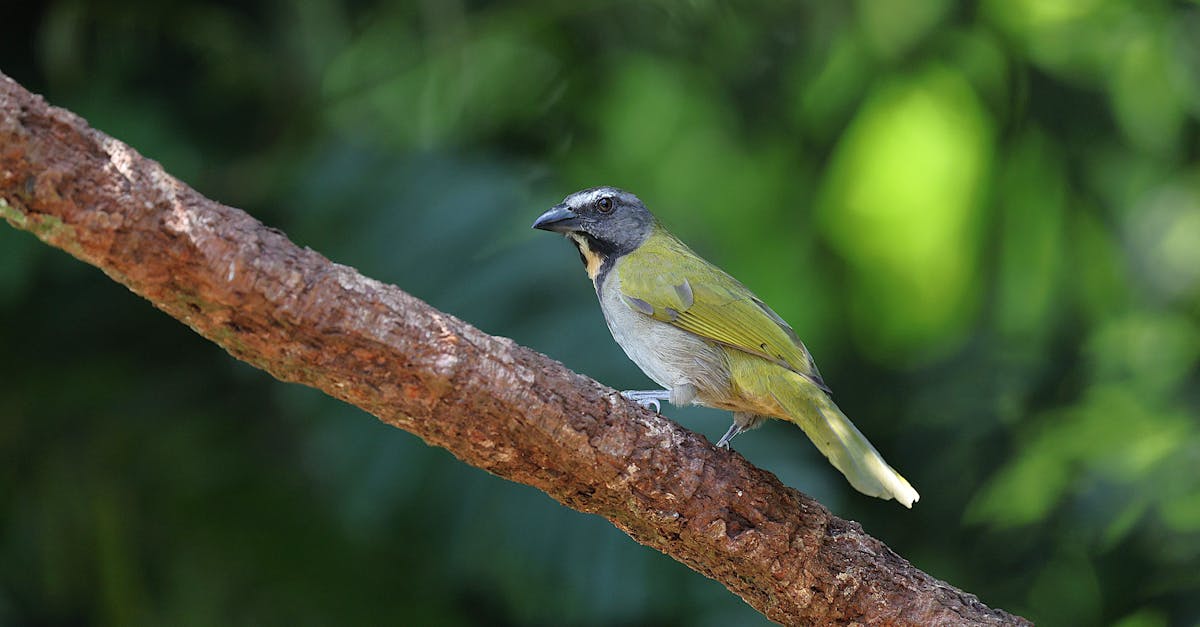
  • Nature rhythm: turtle nesting seasons, whale migration, quetzal season (Feb–Apr in Monteverde), sloth colonies in Manuel Antonio — natural events structure the year
  • Tico time: appointments and bureaucratic processes run on their own schedule — patience is essential
  • Fiesta culture: Independence Day (September 15), Semana Santa, Christmas parades, and ox-cart parade in Escazú are excellent cultural experiences
2

Safety in Costa Rica

Costa Rica is genuinely safe by Latin American standards. The main concerns are petty theft in San José and opportunistic crime in tourist areas — not the violent crime that affects some regional neighbors.

  • Global Peace Index 2024: ranked 39th — far safer than any Central American neighbor
  • No military since 1948 — budget goes to education and healthcare instead
  • Petty theft: pickpocketing, bag snatching, and car break-ins are the primary concerns in San José downtown and bus terminals
  • Expat areas (Escazú, Rohrmoser, Santa Ana): low crime, generally safe to walk at night
  • Beach towns: generally safe; occasional muggings in deserted beach areas at night
  • Home security: gated communities with guards are standard for expats — most rentals include this
  • Driving safety: roads outside major highways can be poor — potholes, narrow mountain roads, livestock crossings
FAQs

Common Questions — Daily Life in Costa Rica

Find Your Perfect City with AI

Describe your lifestyle and our AI matches you to the best expat cities — then simulates a full day there.

Take the Free Quiz

Expat Insights, Weekly

Visa updates, cost-of-living data, and expat stories from Costa Rica in your inbox.

More Costa Rica Guides

🇨🇷

Ready to explore Costa Rica?

Browse our city guides to find the perfect base for your expat life in Costa Rica.