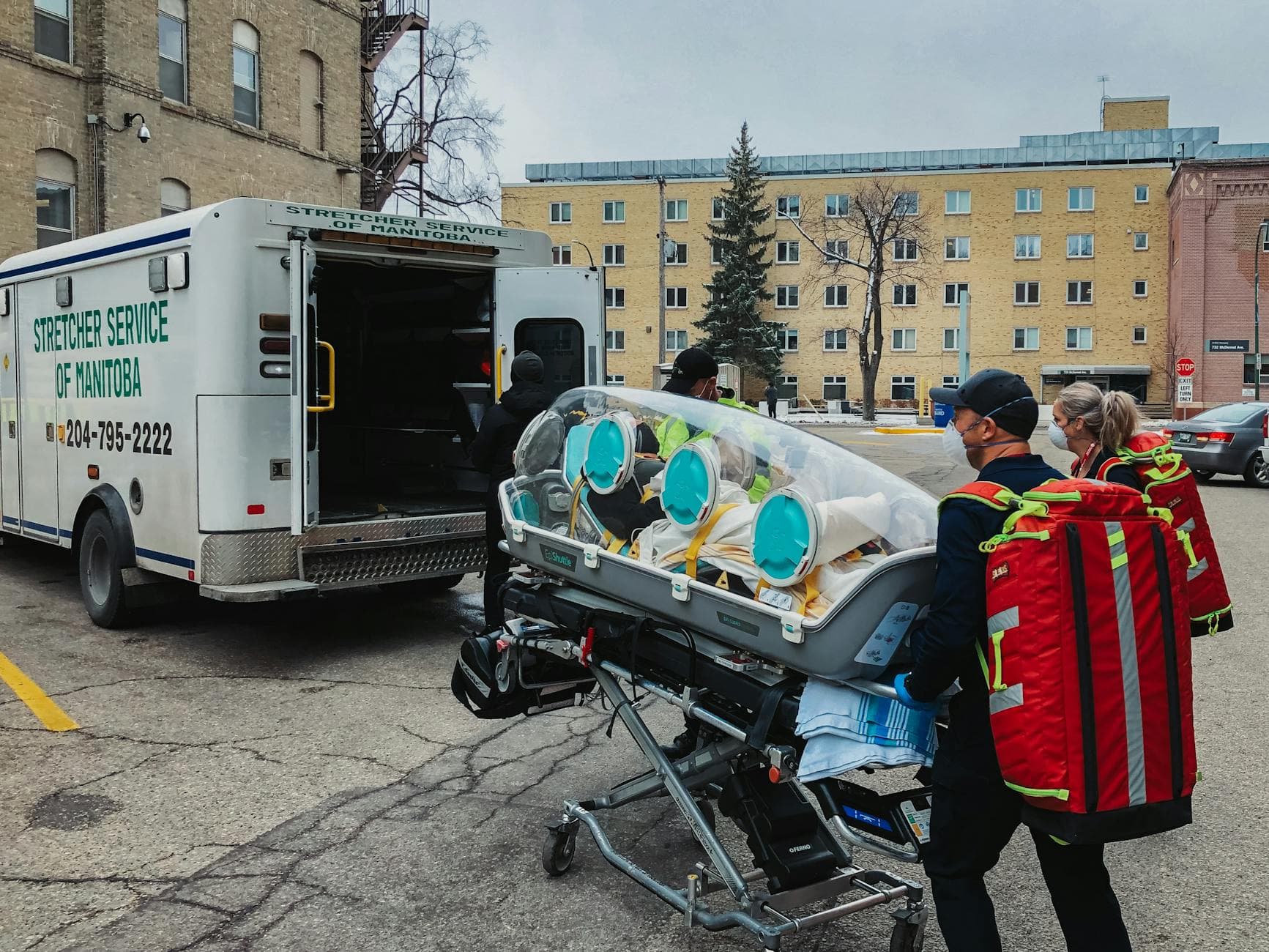
Italy's healthcare system is a mix of public and private options, creating a unique landscape for expats looking to navigate medical needs in their new home. Understanding the differences between these systems is essential for making informed decisions about health insurance, costs, and the quality of care you can expect. From emergency services to routine check-ups, here's what I wish someone had told me before moving to Italy.
System Overview
Italy's healthcare system is primarily divided into two branches: the public healthcare system, known as the Servizio Sanitario Nazionale (SSN), and private healthcare facilities. The SSN is funded through taxes and provides a wide range of services to residents, including general practitioners, hospitals, and specialized care. However, access to these services often depends on residency status and availability.
Expats can access public healthcare after registering as residents, but this process can vary by region. In some cases, there may be a waiting period before coverage kicks in, which is why understanding your options from the outset is crucial. For those who prefer immediate access to healthcare, private insurance or healthcare is often the preferred route, as it allows quicker appointments and more personalized services Source 2.
Public vs Private
Public Healthcare
The public healthcare system in Italy offers comprehensive coverage that includes most medical services. However, the quality can vary significantly by region. In general, urban areas may provide better services compared to rural regions. One significant downside is that public healthcare often comes with long wait times for non-emergency procedures, which can be frustrating for expats used to more immediate care.
Private Healthcare
On the other hand, private healthcare facilities are becoming increasingly popular among expats. They typically offer quicker access to specialists, shorter wait times, and a more comfortable environment. However, this convenience comes at a cost. Private care is generally more expensive, and many expats opt for private health insurance to cover these costs Source 3.
Insurance Options
Navigating health insurance in Italy can be complex, especially for expats. You must have health insurance, either public or private, to access healthcare services. If you're eligible for public insurance, you can register with the SSN, which typically requires proof of residency and payment of a nominal fee based on your income.
For those opting for private insurance, a wide range of policies are available from both local and international providers. Some of the largest international health insurance companies operating in Italy include Allianz and AXA, which offer plans tailored for expats. Keep in mind that if you choose private insurance, you may need to pay upfront for services and later claim reimbursement Source 1.
Costs & Coverage
The costs associated with healthcare in Italy can vary widely based on whether you choose public or private services. For public healthcare, expats can pay a nominal annual fee, which can be as low as €150 for individuals, while families may pay upwards of €2,000 annually for voluntary access to public services Source 1. In contrast, private health insurance premiums can range from €600 to over €1,500 per year, depending on the level of coverage and the insurance provider.
It's essential to carefully review what each plan covers, as some private policies may not include specific treatments or pre-existing conditions. Understanding these nuances can save you headaches and unexpected costs later on Source 3.
Emergency Services
Emergency services in Italy are available through both public and private healthcare systems. In case of an emergency, you can dial 112, which is the universal emergency number in Europe. Public hospitals are equipped to handle emergencies, but as mentioned earlier, the wait times can be significant.
Private hospitals, however, often provide a quicker response and more immediate care. Many expats recommend having a private insurance policy that covers emergency services, as this can significantly reduce the stress associated with medical emergencies Source 2.
Expat Tips
- Understand Your Eligibility: Before moving, research the eligibility criteria for public healthcare to avoid unnecessary out-of-pocket expenses.
- Choose the Right Insurance: Compare private health insurance plans and choose one that fits your needs, especially if you have specific medical requirements.
- Consider Language Barriers: If you're not fluent in Italian, consider going to private hospitals where staff may speak English, making communication easier.
- Keep Documents Handy: Always carry your insurance information and any necessary medical documents to streamline the process during visits to healthcare facilities.
Navigating the healthcare landscape in Italy can be daunting, but with the right information and preparation, you can ensure that you receive the care you need. Whether you opt for public or private healthcare, understanding the system can make your transition to life in Italy much smoother.
Sources
Which country is right for you?
Answer 6 quick questions about your budget, lifestyle, and priorities. Our AI ranks 122 countries and builds a personalised relocation plan.
Enjoyed this article?
Subscribe for more expat tips and guides.
Free: The Ultimate Expat Checklist
Everything you need to prepare before moving abroad — visa, finances, healthcare, housing, and more.