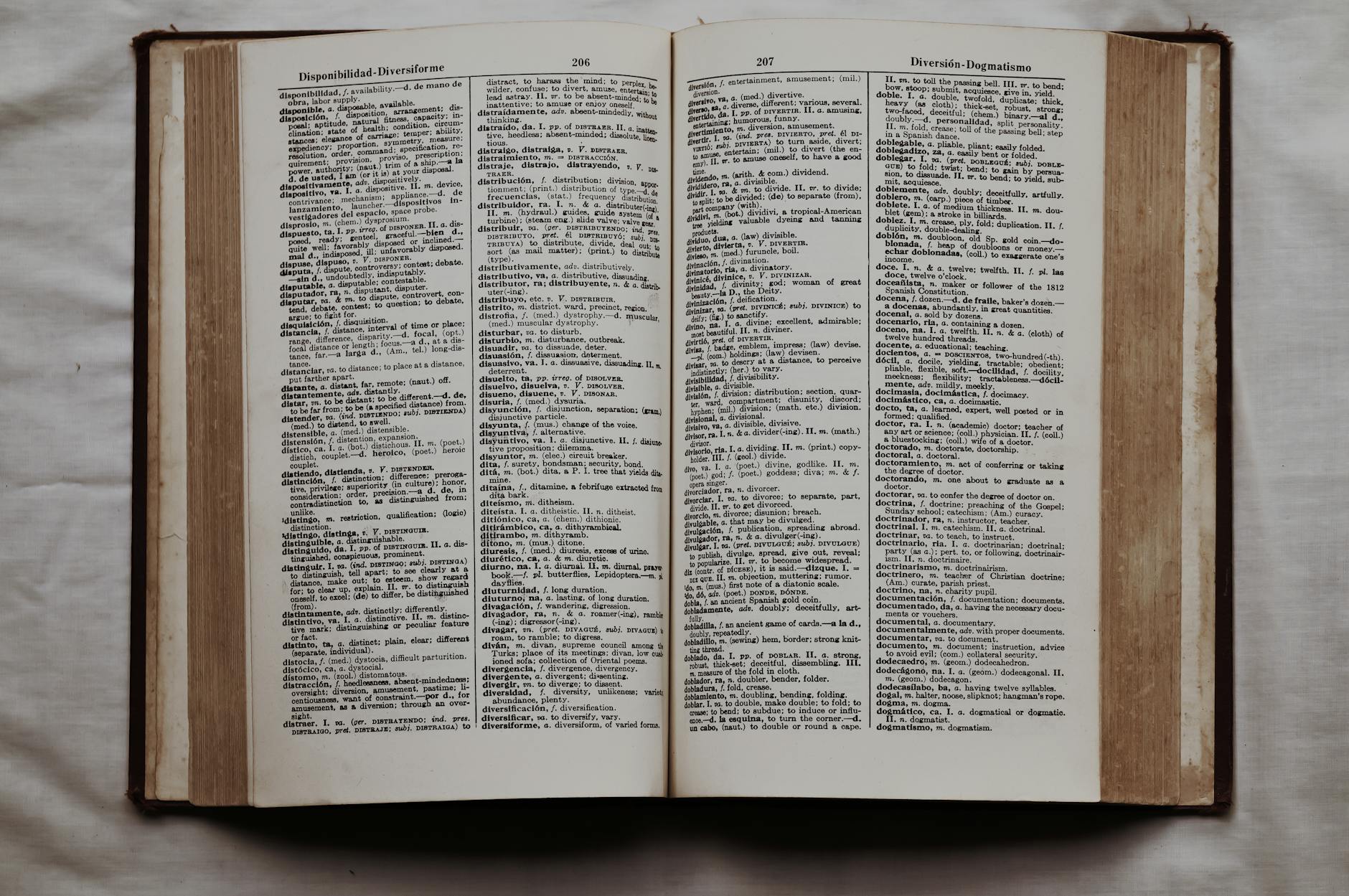
When I landed in Mexico City in September, my Spanish consisted of "hola," "gracias," "una cerveza, por favor," and a vague memory of high school conjugation tables. Six months later, I was negotiating my apartment lease in Spanish, making jokes with my neighbors, and thinking in Spanish without realizing it.
I'm not a language genius. I'm a 32-year-old copywriter from Copenhagen who had never successfully learned a language as an adult before. What I had was desperation (I needed to communicate to function), a method that actually worked, and the willingness to sound stupid every single day for months.
Here's exactly what I did, month by month — and what turned out to be a complete waste of time.
What didn't work (saving you time and money)
Let me start with the failures, because they're more useful.
Group classes. I signed up for a group Spanish class in Roma Norte during my first week. Eight students, twice a week, $120/month. After three weeks, I quit. The problem with group classes is pacing — the class moves at the speed of the slowest student, and you spend 80% of the time listening to other beginners make mistakes instead of practicing yourself. You might speak for 5 minutes total in a 90-minute class.
Duolingo alone. I used Duolingo every day for the first two months. It's brilliant for building vocabulary and getting the dopamine hit of streaks and XP. But it didn't teach me to speak. I could translate "the red cat is on the table" but couldn't ask my landlord about the water bill. Duolingo is a supplement, not a method.
The English-speaking expat bubble. Roma Norte and Condesa — CDMX's most popular expat neighborhoods — make it dangerously easy to never speak Spanish. The bartenders speak English. The coworking space operates in English. Your friends are other expats speaking English. I spent my first month entirely in English and made zero progress.
Honest truth: If you surround yourself with English speakers, you will not learn Spanish. Geography doesn't teach language — deliberate discomfort does.
Month 1–2: Survival Spanish
In month two, I made three changes that transformed my progress.
Change 1: I hired a 1-on-1 tutor. Through iTalki, I found a Mexican teacher named Alejandra who charged $12/hour for conversational practice via video call. We met three times per week for 50 minutes. She spoke only in Spanish from day one, using gestures and simple words to make herself understood. The first sessions were agonizing. By week three, I could follow 60% of what she said.
In-person tutors in Mexico City charge $8–$15/hour — absurdly cheap compared to $40–$80 in the US or Europe. Many work at neighborhood cafés. I eventually switched to in-person sessions at a coffee shop in Coyoacán, which had the added benefit of ordering my coffee in Spanish.
Change 2: I switched all daily errands to Spanish. Grocery shopping, pharmacy visits, asking for directions, ordering food — everything. I wrote cheat sheets on my phone for common interactions. "¿Tiene leche de avena?" (Do you have oat milk?). "¿Cuánto cuesta?" (How much?). "¿Dónde está la farmacia más cercana?" (Where's the nearest pharmacy?). Every errand became a language lesson.
Change 3: I changed my phone language to Spanish. This seems small but it's surprisingly effective. Every notification, every app, every Google search — suddenly in Spanish. Your brain adjusts faster than you'd think.
By the end of month two, I could handle basic conversations: ordering food with modifications, asking for and understanding directions, small talk with my building's doorman (portero), and simple phone calls. My grammar was terrible. My vocabulary was limited. But I was communicating.
Month 3–4: The Netflix breakthrough
This is where things accelerated. I discovered what polyglots call the "Netflix method," and it genuinely works.
The technique: Watch Spanish-language shows on Netflix with Spanish subtitles (not English). Your brain connects the spoken word with the written word simultaneously. Start with shows you've already seen in English, so you know the plot and can focus on language. Then move to new content.
My progression:
- Week 1: Money Heist (La Casa de Papel) with Spanish subtitles — followed maybe 30%
- Week 3: Catching 50% without looking at subtitles
- Week 6: Switched to Mexican shows (Club de Cuervos, Oscuro Deseo) — Mexican accent and slang are different from Castilian Spanish
- Week 8: Watching new Mexican content and following 70–80%
I also started using Tandem, a language exchange (popular in Medellin and other Latin American hubs) app that matches you with native speakers who want to learn your language. I found three conversation partners: I'd speak Spanish for 30 minutes, then switch to English/Danish for 30 minutes. Free, effective, and genuinely social.
By month four, conversations with my tutor felt natural. I could discuss my work, debate restaurant recommendations, and understand the gist of news articles. Grammar was still rough — I'd mix up preterite and imperfect tenses constantly — but communication was happening.
Month 5–6: Thinking in Spanish
The transition from "translating in your head" to "thinking in Spanish" happened somewhere in month five, and I didn't notice it until it had already happened. I'd catch myself forming Spanish sentences first and then translating them to English for expat friends, rather than the other way around.
Three things characterized this phase:
Reading. I started reading news in Spanish — first headlines on Reforma (Mexico's newspaper of record), then full articles. I kept a vocabulary notebook and looked up 5–10 words per article. After a month, the lookup frequency dropped to 1–2 per article.
Socializing in Spanish. I deliberately joined a taller de cerámica (ceramics workshop) in Coyoacán where nobody spoke English. For two hours every Saturday, I had no choice but to communicate in Spanish while learning to throw pots. It was humbling, hilarious, and incredibly effective.
Journaling. Every evening, I wrote 100–200 words in Spanish about my day. No dictionary allowed — I used whatever words I had. My tutor reviewed these entries and corrected errors. After two months, the error rate had dropped by half.
The real cost
Here's what six months of learning Spanish in Mexico City actually cost:
- 1-on-1 tutor (3x/week, $12/session): $864
- Tandem app: Free
- Netflix subscription (already had it): $0
- Group class (3 weeks, quit): $90
- Duolingo Premium (3 months, then cancelled): $42
- Ceramics workshop (6 months): $180
- Books and materials: $45
- Total: approximately $1,221
That's roughly $200/month. For comparison, an immersive Spanish school in Guatemala charges $200–$350/week. University language courses run $500–$2,000 per semester. The DIY approach in Mexico City is dramatically cheaper and — at least for me — more effective because it integrated into my actual life rather than being a classroom exercise.
My advice in one paragraph
Hire a 1-on-1 tutor from day one ($8–$15/hour in CDMX). Meet three times per week, minimum. Switch all your daily errands to Spanish immediately — the discomfort is the point. After month two, add the Netflix-with-Spanish-subtitles method. Find a language exchange partner on Tandem. Join one activity conducted entirely in Spanish. Avoid group classes and avoid the English expat bubble. Expect to feel stupid for the first eight weeks and conversational by month four.
Explore Mexico City → | Moving from the US to Mexico →
How long does it take to learn Spanish as an expat?
With full immersion and dedicated daily practice, most English speakers can reach conversational Spanish (B1 level) in 4–6 months. To reach professional fluency (B2/C1), expect 9–14 months of immersion. The critical variable isn't talent — it's environment. Expats living in Spanish-speaking neighborhoods in Mexico or Barcelona who actively avoid English-speaking social bubbles learn 3x faster than those who socialize primarily with other expats. The FSI (Foreign Service Institute) estimates 600–750 class hours for Spanish proficiency, but real-world immersion accelerates this dramatically. Cities like Medellin are particularly effective because the local accent is clear and the pace of speech is slower than in Spain.
Is Duolingo enough to learn a language abroad?
No — but it's a useful supplement. Duolingo and similar apps are excellent for building vocabulary and basic grammar foundations (A1–A2 level), but they cannot develop conversational fluency on their own. The app lacks real-time conversation practice, cultural context, and the ability to handle the messy, fast, slang-filled Spanish you'll encounter daily. The most effective approach combines an app (20 minutes/day for vocabulary), a tutor (2–3 hours/week on iTalki for $8–$15/hour), and daily immersion (ordering food, chatting with neighbors, watching local TV). After 3 months, drop the app entirely and focus on real conversations. Take our expat quiz to find destinations where language immersion opportunities are strongest, and explore Spain's cities for the European Spanish experience.
Key Takeaways
- 1-on-1 tutors are the single most effective investment — $8–$15/hour in Mexico City, 3x/week minimum
- Group classes are inefficient — you speak 5 minutes in a 90-minute session
- Duolingo supplements but doesn't teach speaking — use it for vocabulary, not as your primary method
- Netflix with Spanish subtitles is the accelerator — start month 2-3
- Daily errands in Spanish create unavoidable practice — grocery stores are your classroom
- Total cost: ~$200/month — cheaper than any formal language school
Last updated: March 19, 2026
Which country is right for you?
Answer 6 quick questions about your budget, lifestyle, and priorities. Our AI ranks 122 countries and builds a personalised relocation plan.
Enjoyed this article?
Subscribe for more expat tips and guides.
Free: The Ultimate Expat Checklist
Everything you need to prepare before moving abroad — visa, finances, healthcare, housing, and more.
Enjoyed this article? Share it with fellow expats