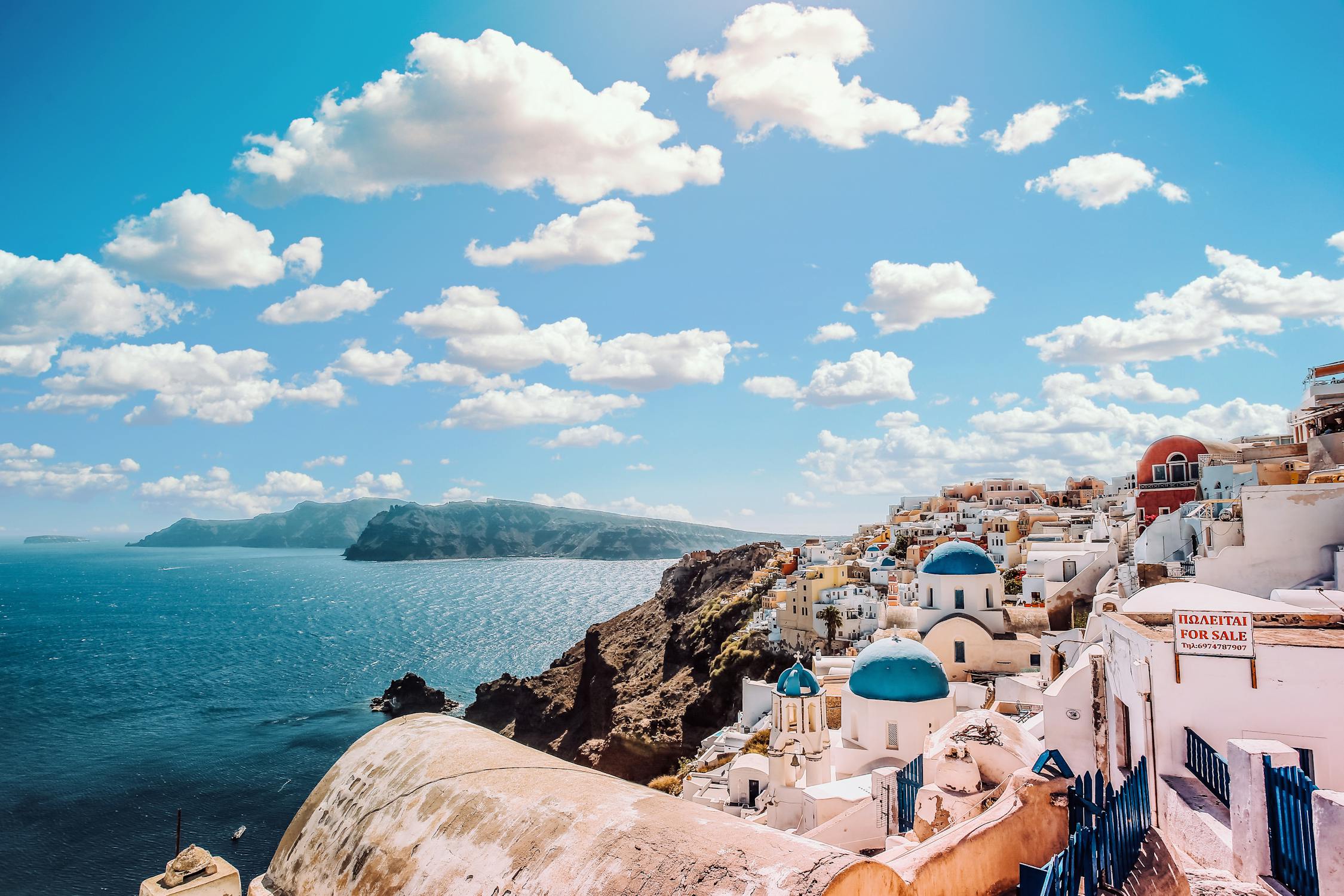
Greece has been named the number one place to retire in 2026 by International Living's Annual Global Retirement Index, and for good reason: retirees can live comfortably on $1,100 to $1,700 per month, pay just 7% flat tax on foreign pensions, enjoy 300 days of sunshine per year, and access high-quality public healthcare. The Financially Independent Person (FIP) visa makes it straightforward for non-EU retirees to establish legal residency.
This is not a new trend, but it has accelerated dramatically. Greece's combination of low costs, favorable tax policy, stunning natural beauty, and European Union membership creates a retirement proposition that is genuinely hard to beat anywhere in the world.
Why Greece Tops the Rankings
The 7% Flat Tax on Foreign Pensions
In 2020, Greece introduced a flat 7% income tax rate for retirees who transfer their tax residence to Greece. This applies to all foreign-sourced income, including pensions, Social Security, investment income, and retirement account withdrawals. The incentive lasts for 15 years and replaces Greece's standard progressive income tax (which tops out at 44%).
For a retiree receiving $3,000 per month in pension income, the annual tax bill in Greece would be approximately $2,520 (7% of $36,000). Compare that to potential rates of 20 to 30% or more in many other European countries.
To qualify, you must not have been a Greek tax resident for 5 of the previous 6 years, and you must transfer your tax residence from a country that has a tax treaty or administrative cooperation agreement with Greece. Most major countries qualify.
Cost of Living
Greece offers genuine European quality of life at a fraction of what you would pay in France, Italy, or Spain. Here is what retirees typically spend:
Monthly Budget Breakdown (Single Retiree)
| Expense | Budget | Comfortable | Premium |
|---|---|---|---|
| Rent (1-bed) | $350 | $550 | $850 |
| Utilities | $80 | $120 | $160 |
| Groceries | $200 | $300 | $400 |
| Dining Out | $100 | $200 | $350 |
| Transport | $50 | $80 | $150 |
| Healthcare | $30 | $80 | $150 |
| Entertainment | $50 | $100 | $200 |
| Phone/Internet | $30 | $40 | $50 |
| TOTAL | $890 | $1,470 | $2,310 |
Couples typically add 40 to 60% to these figures, not double, since rent and utilities are shared.
300 Days of Sunshine
Greece averages 250 to 300 days of sunshine per year depending on location, more than almost anywhere else in Europe. Southern islands like Crete and Rhodes get the most sun. Even Athens, which sits further north, enjoys mild winters with temperatures rarely dropping below 8 to 10 degrees Celsius (46 to 50 Fahrenheit). If seasonal depression or cold weather drove you out of northern Europe or the northern United States, Greece is the antidote.
The FIP Visa: Your Path to Greek Residency
The Financially Independent Person (FIP) visa is designed specifically for non-EU nationals who want to live in Greece without working. It is the primary visa route for retirees.
Requirements
- Savings: Minimum of approximately €84,000 in accessible savings (or equivalent proof of financial independence)
- Monthly income: Alternatively, demonstrate regular monthly income of at least €3,500 from pensions, investments, or other passive sources (increased by 20% for a spouse, 15% per child)
- Health insurance: Valid international or Greek private health insurance
- Clean criminal record: From your home country and any country you have lived in for the past 5 years
- No work: You cannot work in Greece on a FIP visa
Process
Apply at the Greek consulate in your home country. Processing takes 2 to 4 months. The initial visa is for 1 year, renewable for 2-year periods. After 7 years of continuous residency, you can apply for permanent residency. Greek citizenship is available after 7 years (with Greek language proficiency requirements).
Costs
- Visa application fee: €150
- Residence permit fee: €150 per year
- Biometrics and administrative costs: €100 to €200
Best Places to Retire in Greece
Athens
The capital offers the most amenities, best healthcare access, international airport, and urban culture. Neighborhoods like Kifisia, Glyfada, and Kolonaki are popular with retirees. You get museums, restaurants, shopping, and the Acropolis as your backdrop. The downside is summer heat (regularly above 35 degrees Celsius) and more traffic and noise than island or coastal living.
Rent (1-bed in good area): $450 to $800/month
Thessaloniki
Greece's second city has a vibrant food scene (widely considered the culinary capital), beautiful waterfront promenade, and proximity to the Halkidiki peninsula beaches. It is more affordable than Athens and has a large university population that keeps the city youthful. Winter is cooler than Athens but still mild by northern European standards.
Rent (1-bed in good area): $350 to $600/month
Crete
Greece's largest island and perhaps its most diverse. Crete has everything: mountains, beaches, gorges, Venetian harbors, and a fierce local culture. Chania and Rethymno are the most popular expat towns, offering walkable historic centers, excellent restaurants, and easy access to both beach and mountain activities. Healthcare is good, with the University Hospital of Heraklion being one of the best in the Greek islands.
Rent (1-bed in good area): $350 to $650/month
Rhodes
The sunniest spot in Greece with over 300 days of clear skies. Rhodes Town has a medieval old city (UNESCO World Heritage), international community, and good medical facilities. The island is large enough to offer variety without feeling crowded. Lindos, on the eastern coast, is stunningly beautiful but more touristy and expensive.
Rent (1-bed in good area): $350 to $550/month
Corfu
The greenest Greek island, with Venetian, French, and British architectural influences. Corfu Town is a UNESCO World Heritage site. The island has a more temperate climate than the Aegean islands, with lush vegetation and occasional winter rain. Popular with British and Italian retirees. Excellent local produce and wine.
Rent (1-bed in good area): $350 to $600/month
Healthcare in Greece
Public System (ESY)
Greece's national health system (ESY) provides free or low-cost healthcare to residents. Quality varies between urban and rural facilities, but major hospitals in Athens and Thessaloniki are well-equipped. Wait times for specialist appointments can be long (weeks to months for non-urgent care).
Retirees with legal residency can access ESY by enrolling in EFKA (the unified social insurance fund). Your FIP visa alone does not automatically grant public healthcare access; you need to arrange supplementary coverage.
Private Healthcare
Private clinics and hospitals are widely available in cities and larger islands. A private GP visit costs €30 to €60. Specialist consultations run €50 to €100. Private health insurance costs €100 to €250 per month for retirees aged 60 to 70, covering hospitalization, outpatient care, and prescriptions.
Popular private hospital groups include Athens Medical Group, Hygeia, and Euromedica. Dental care is particularly affordable, with cleanings at €40 to €60 and crowns at €200 to €400.
How Greece Compares to Portugal and Spain
Greece vs Portugal
Portugal is often Greece's closest competitor for European retirement. Both offer special tax regimes (though Portugal's NHR program has been reformed and is less generous than it was). Portugal has better Atlantic surfing beaches and a stronger digital nomad infrastructure, but Greece wins on sunshine, island diversity, food costs, and the 7% flat tax. Portugal's cost of living has risen faster than Greece's, especially in Lisbon and the Algarve.
Greece vs Spain
Spain's cost of living is 15 to 25% higher than Greece's, particularly for rent and dining. Spain closed its golden visa in 2025, while Greece's remains open. Spain has excellent healthcare and infrastructure, but Greece's tax incentives for retirees are far more generous. Spain's non-lucrative visa is comparable to Greece's FIP visa in requirements.
Quick Comparison
| Factor | Greece | Portugal | Spain |
|---|---|---|---|
| Monthly Cost (Single) | $1,100-$1,700 | $1,400-$2,200 | $1,500-$2,300 |
| Tax on Foreign Pensions | 7% flat | Standard rates (NHR reformed) | Standard progressive |
| Sunshine (days/year) | 250-300 | 220-260 | 220-280 |
| Retirement Visa | FIP (straightforward) | D7 (income-based) | Non-lucrative |
| Golden Visa | Open (€250K-€800K) | Open (€500K funds) | Closed (Apr 2025) |
| Public Healthcare | Good (variable) | Very good | Excellent |
| Cuisine | Mediterranean (world-class) | Atlantic/Mediterranean | Mediterranean |
Practical Tips for Retiring in Greece
Language
Greek is the official language, and outside major tourist areas, English proficiency drops off. Learning basic Greek significantly improves daily life and endears you to locals, who deeply appreciate the effort. Many retirees take classes at local language schools or hire private tutors for €15 to €25 per hour.
Banking
Opening a Greek bank account requires your tax number (AFM), passport, and proof of address. National Bank of Greece, Alpha Bank, and Piraeus Bank are the largest. Online banking is functional but not as polished as in northern Europe. Many expats keep their primary banking abroad and use Wise or Revolut for daily Greek expenses.
Driving
A foreign driving license is valid for 6 months after establishing residency, after which you need a Greek or EU license. Driving in Athens is not recommended (traffic is chaotic), but a car is almost essential on islands and in rural areas. Gas costs around €1.65 to €1.80 per liter. Car insurance runs €300 to €600 per year.
Buying Property
Foreigners can freely buy property in Greece (with some restrictions in border areas). Prices remain below pre-2008 levels in many areas. A two-bedroom apartment in a Cretan town might cost €80,000 to €150,000. Athens apartments in good neighborhoods run €120,000 to €250,000. Always use a lawyer and verify clear title.
Is Greece Right for You?
Greece is ideal for retirees who want sunshine, affordability, and European access without the price tag of Western Europe. It works best for people who enjoy Mediterranean food and culture, are comfortable with a slower pace of bureaucracy, and appreciate natural beauty over manicured infrastructure.
It may not be the best fit if you need cutting-edge medical facilities for complex conditions (Athens excepted), cannot tolerate summer heat, or require everything to run with Germanic efficiency.
For a complete country profile and data, visit our Greece expat guide. And to see how Greece stacks up against other affordable destinations, check our cheapest countries for expats ranking.
The Bottom Line
Greece's rise to the top of the retirement rankings is not accidental. The 7% tax, the FIP visa, the astonishing landscapes, and the cost of living combine into a package that no other European country can match in 2026. The window of opportunity is open, but as more retirees discover Greece, prices will inevitably rise. If you have been dreaming of a European retirement, this may be the best time to make it real.
Which country is right for you?
Answer 6 quick questions about your budget, lifestyle, and priorities. Our AI ranks 122 countries and builds a personalised relocation plan.
Enjoyed this article?
Subscribe for more expat tips and guides.
Free: The Ultimate Expat Checklist
Everything you need to prepare before moving abroad — visa, finances, healthcare, housing, and more.