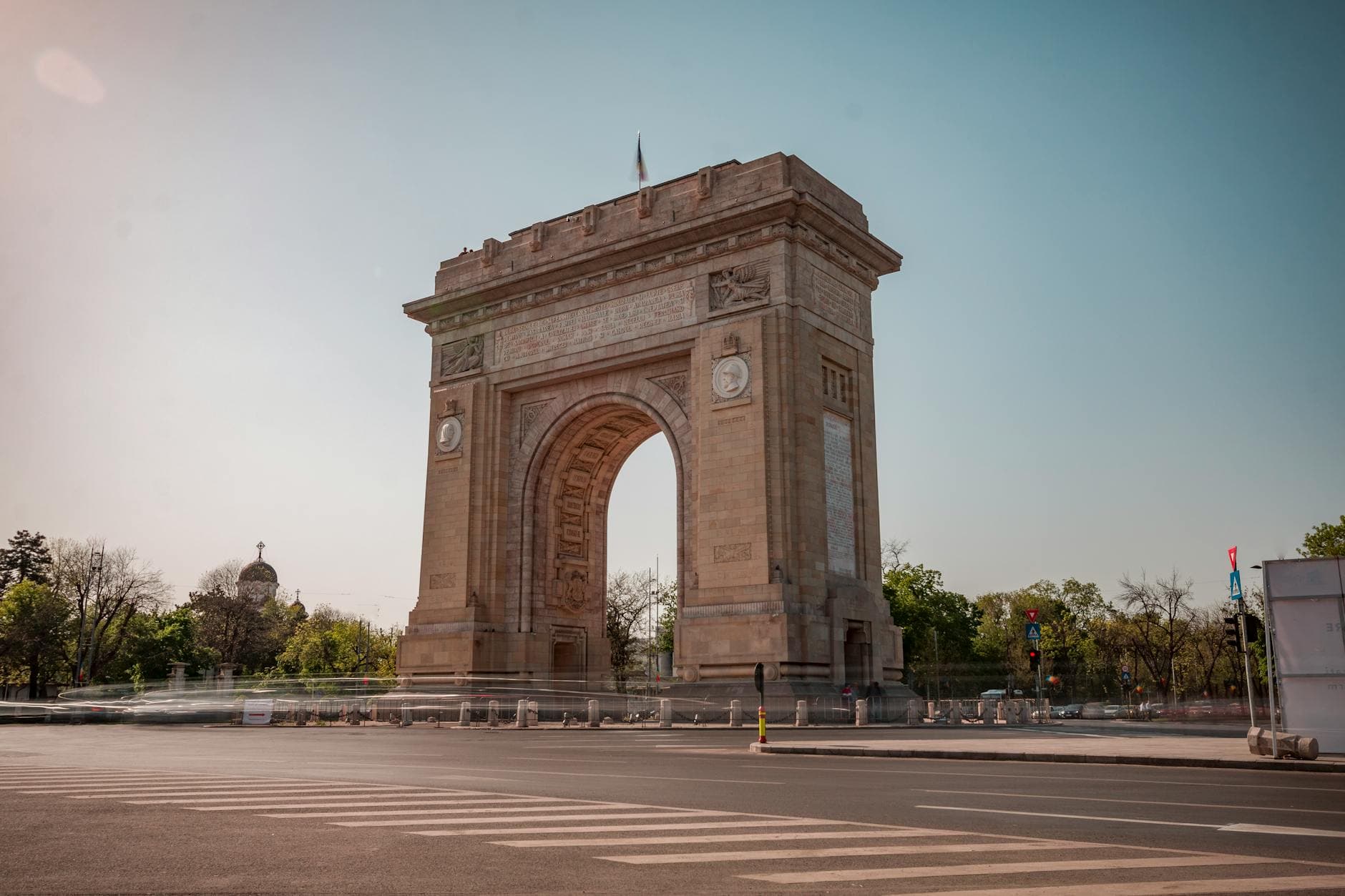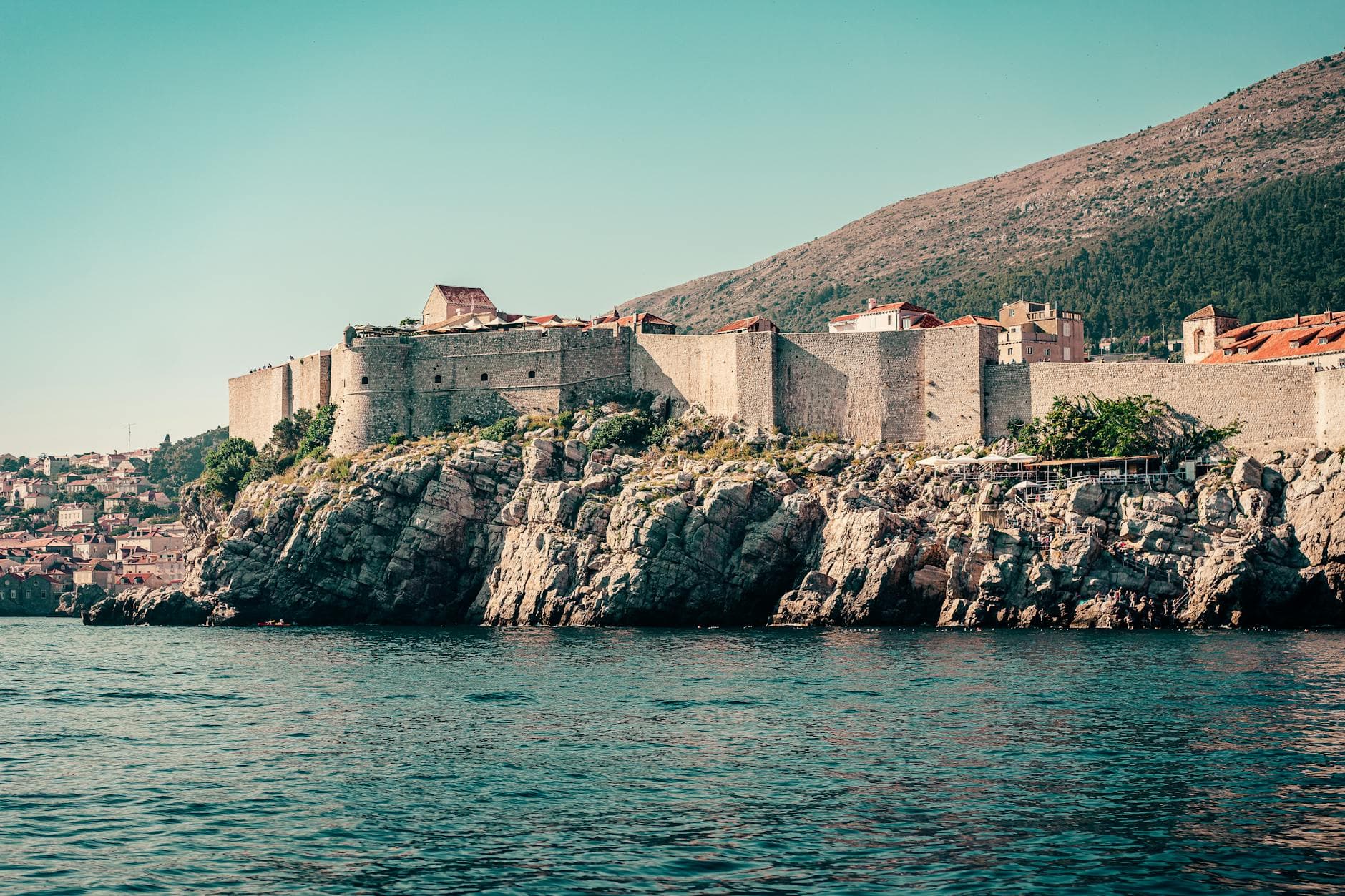
Croatia was one of the first EU countries to launch a dedicated digital nomad visa, back in January 2021. The pitch was irresistible: live on the Adriatic coast, pay zero Croatian income tax, and work remotely for a year. Since then, thousands of nomads have taken the offer — and many have discovered that the reality has some significant catches that the tourism-board marketing doesn't mention.
The visa is still genuinely worth considering in 2026, but you need to go in with your eyes open. Here's the complete picture.
Last updated: March 22, 2026
What are the requirements for Croatia's digital nomad visa?
You need a minimum monthly income of €2,539.31, proof of remote work for a non-Croatian company, health insurance, and a clean criminal record. The visa is valid for 1 year and is non-renewable — you must leave Croatia for 6 months before reapplying.
Full requirements:
- Minimum income: €2,539.31/month (updated in 2025 to reflect the new EU-harmonized calculation). Proof required through bank statements, employment contracts, or tax returns for the previous 6 months.
- Remote work proof: Employment contract or freelance agreements with companies registered outside Croatia. You cannot work for Croatian-registered entities.
- Health insurance: Valid international health insurance covering Croatia, or proof of Croatian health insurance enrollment. Must cover the full 12-month period.
- Clean criminal record: Certificate from your home country, not older than 6 months, apostilled.
- Passport validity: At least 6 months beyond your intended stay.
- Accommodation: Proof of accommodation in Croatia (rental contract, property ownership, or hotel reservation).
- Application fee: HRK 500 (~€66) for the temporary stay permit, plus consulate visa fee if applying from abroad.
How do you apply?
You have two application routes:
Option A: Apply from abroad (at a Croatian consulate)
- Schedule an appointment at your nearest Croatian embassy or consulate
- Submit all required documents (translated into Croatian by a certified translator)
- Processing time: 30-60 days
- Receive a Type D visa, enter Croatia
- Register at the local police station within 3 days of arrival
- Apply for the temporary stay permit at the Ministry of Interior
Option B: Apply from within Croatia (if already on a visa-free stay)
- Enter Croatia on a visa-free stay (up to 90 days for many nationalities)
- Before your 90 days expire, apply at the nearest Ministry of Interior office
- Submit all documents
- Processing time: 30-60 days — you can legally remain in Croatia while the application is processed
- Receive your temporary stay permit (OIB — personal identification number — issued simultaneously)
Pro tip: Option B is popular because it lets you "test drive" Croatia before committing. Many nomads spend their 90-day visa-free period in Split or Zagreb, then apply for the nomad visa if they decide to stay.
What about taxes?
Croatia's digital nomad visa holders pay zero Croatian income tax on their foreign-sourced remote work income. This is the visa's headline feature — and it's real. However, you may still owe taxes in your home country.
The tax situation in detail:
- Croatian income tax: 0% — digital nomad visa holders are explicitly exempt from Croatian income tax on foreign-sourced income
- Croatian social contributions: Not required (but you also don't get Croatian public healthcare through contributions — you need your own insurance)
- Home country taxes: Most countries tax their citizens or residents on worldwide income. The US taxes all citizens regardless. EU countries generally stop taxing you if you establish tax residency elsewhere, but Croatia's nomad visa doesn't automatically establish Croatian tax residency.
- The tax residency gray area: Spending 12 months in Croatia could trigger tax residency under Croatian law (183-day rule), which would theoretically make your worldwide income taxable in Croatia. In practice, the nomad visa has an explicit tax exemption, creating a legal gray area that hasn't been tested in court.
Bottom line: You'll likely pay 0% in Croatia but should confirm with a tax advisor whether you've properly exited tax residency in your home country.
What are the hidden catches?
Here's what the "Live in Croatia tax-free!" articles usually skip:
1. It's non-renewable (and the 6-month gap is enforced)
The visa lasts exactly 12 months. After it expires, you must leave Croatia for a minimum of 6 months before you can reapply. This isn't a soft rule — immigration tracks it via your OIB and passport stamps.
This means Croatia is a one-year deal, not a permanent move. Plan your next destination before your year is up.
2. No path to permanent residency
Time spent on Croatia's digital nomad visa does NOT count toward permanent residency. Unlike Romania's nomad visa (which does count toward PR), Croatia's visa is explicitly categorized as a temporary stay with no pathway to long-term settlement.
If you want to stay in Croatia permanently, you'd need to switch to a different visa type (work permit, business visa, or family reunification) and start the 5-year clock from scratch.
3. You cannot work for Croatian companies
The visa specifically restricts you to working for entities outside Croatia. If a Croatian startup offers you a contract, you'd need to switch to a standard work permit — which means a different visa process and Croatian income tax.
4. Healthcare requires your own insurance
Since you don't pay into Croatian social insurance, you don't get Croatian public healthcare (HZZO). You need private international health insurance for the full year. Quality plans cost €80-200/month depending on coverage.
What does it cost to live in Croatia?
Croatia has gotten more expensive since joining the eurozone in January 2023, but it's still considerably cheaper than Western Europe — especially outside the summer tourist season.
Split:
- 1-BR apartment (center): €600-900/month (off-season €500-700)
- Food (mix cooking + restaurants): €300-450/month
- Transport (bus pass): €35/month
- Coworking: €120-200/month
- Total: €1,050-1,600/month
Zagreb:
- 1-BR apartment (center): €550-800/month
- Food: €250-400/month
- Transport (tram pass): €40/month
- Coworking: €100-180/month
- Total: €950-1,400/month
Dubrovnik:
- 1-BR apartment (center): €700-1,200/month (hugely seasonal — summer can be 2x winter prices)
- Food: €350-500/month
- Transport: Limited public transit, mostly walking
- Coworking: €150-250/month
- Total: €1,200-1,900/month
Best value: Zagreb is the cheapest and has the best year-round infrastructure. Split offers the best lifestyle balance. Dubrovnik is stunning but expensive and seasonal.
How does Croatia's nomad visa compare with alternatives?
| Feature | Croatia | Portugal D8 | Spain | Romania | Italy |
|---|---|---|---|---|---|
| Income requirement | €2,539/mo | €3,280/mo | €2,520/mo | €3,700/mo | €2,333/mo |
| Duration | 12 months | 1-2 years | 3 years | 12 months | 12 months |
| Renewable | No (6-mo gap) | Yes | Yes | Once (1yr) | Once |
| Tax on foreign income | 0% | Up to 48%* | 24% flat** | 10% flat | Varies*** |
| PR pathway | No | Yes (5yr) | Yes (5yr) | Yes (5yr) | Unclear |
| Processing time | 30-60 days | 60-90 days | 20+ days | ~30 days | 30-45 days |
*Portugal NHR can reduce. **Spain Beckham Law. ***Italy 50% impatriate break may apply.
Croatia wins on tax (0%) and loses on everything else — no renewal, no PR path, and the mandatory 6-month gap. It's the best option if you want a tax-efficient one-year European stint and have another destination lined up after.
Who is Croatia's digital nomad visa best for?
The ideal Croatia nomad visa candidate:
- Plans to stay exactly 1 year (not looking for permanent EU residency)
- Earns €2,540+/month from non-Croatian clients/employers
- Wants 0% local income tax and has properly managed home-country tax obligations
- Values Adriatic lifestyle — coastal living, Mediterranean climate, proximity to Italy and the Balkans
- Has a "next move" planned — the non-renewable nature means you need an exit strategy
If permanent EU residency is your goal, look at Romania (10% flat tax + PR pathway) or Portugal's D8. If maximum duration matters, Spain gives you 3 years. Croatia is the best choice for a defined, tax-efficient Mediterranean year.
Key Takeaways
- Income requirement: €2,539.31/month from non-Croatian sources
- Duration: 12 months, non-renewable (must leave for 6 months before reapplying)
- Tax: 0% Croatian income tax on foreign income — the headline benefit
- No residency path: Time on the nomad visa does not count toward PR
- Can't work for Croatian companies: Remote work for foreign entities only
- Best cities: Zagreb (cheapest), Split (best balance), Dubrovnik (most expensive, most beautiful)
- Processing: 30-60 days, can apply from within Croatia during visa-free stay
- Best for: A defined 1-year European stint with maximum tax efficiency
Croatia's digital nomad visa is a strong option — if you use it for what it's designed for: a single, defined year of tax-efficient Mediterranean living. Go in knowing the catches, have your next destination ready, and enjoy one of Europe's most beautiful coastlines without an income tax bill.
Full Croatia guide → | Croatia visa details →
Last updated: March 22, 2026
Which country is right for you?
Answer 6 quick questions about your budget, lifestyle, and priorities. Our AI ranks 122 countries and builds a personalised relocation plan.
Enjoyed this article?
Subscribe for more expat tips and guides.
Free: The Ultimate Expat Checklist
Everything you need to prepare before moving abroad — visa, finances, healthcare, housing, and more.
Enjoyed this article? Share it with fellow expats