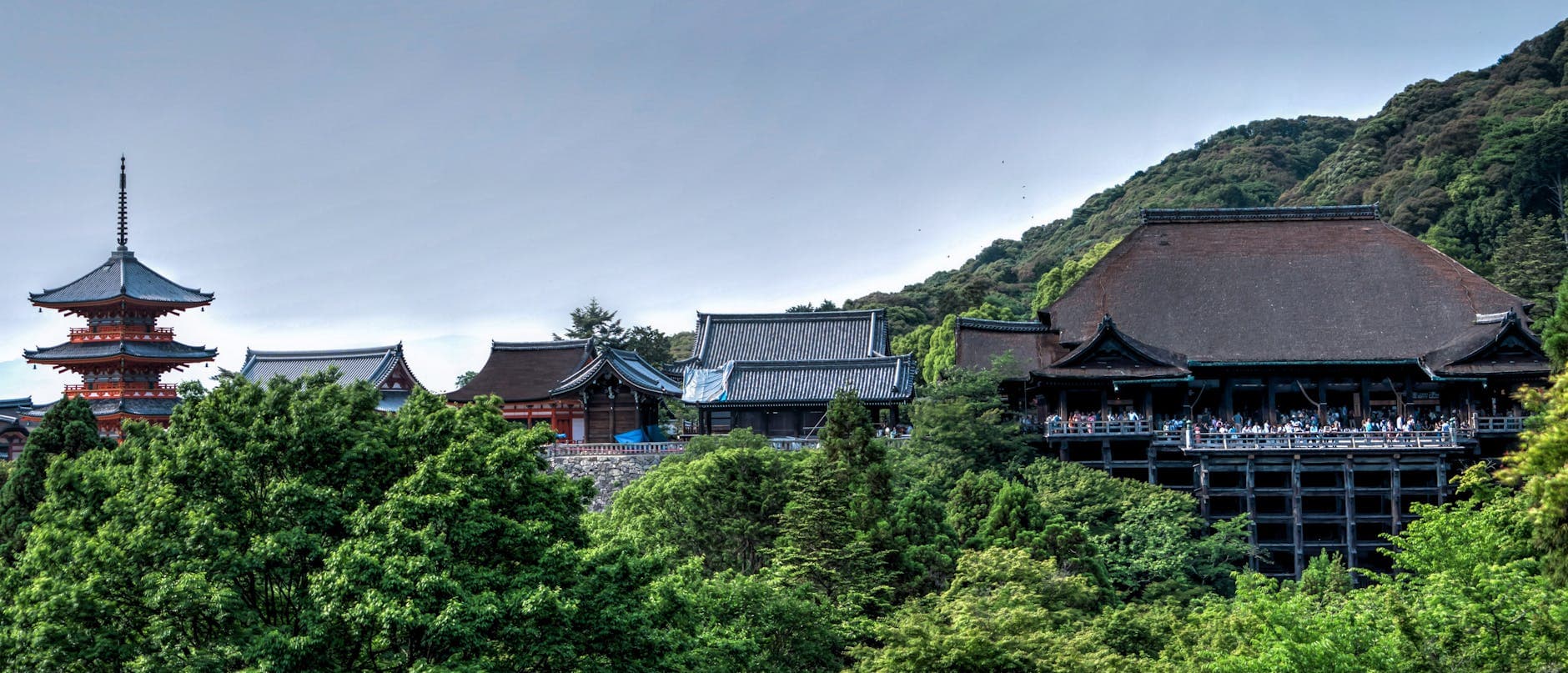
Kyoto is not Tokyo. And that's exactly the point.
Japan's ancient capital offers world-class temples, stunning seasonal landscapes, and a pace of life that feels genuinely livable — all at prices 30-40% below what you'd pay in Tokyo. For remote workers and expats looking for authentic Japan without the Tokyo price tag, Kyoto is quietly becoming one of Asia's most compelling options.
But what does it actually cost to live here in 2026? Here's the honest breakdown from real expat budgets.
Last updated: March 22, 2026
How much does it cost to live in Kyoto per month?
A single expat can live comfortably in Kyoto for ¥180,000-280,000 per month ($1,200-$1,860 USD). This covers rent, food, transport, utilities, and moderate social spending. Budget-conscious expats can manage on ¥150,000 ($1,000), while a more comfortable lifestyle with dining out and weekend trips runs ¥300,000+ ($2,000+).
That's significantly less than Tokyo's ¥250,000-400,000 range for a similar lifestyle. The savings come primarily from rent (30-40% less), food (10-20% less), and the fact that Kyoto is compact enough that you won't spend much on transport.
How much is rent in Kyoto in 2026?
Rent is the biggest variable in your Kyoto budget — and the biggest advantage over Tokyo.
A one-bedroom apartment in central Kyoto costs ¥50,000-80,000/month ($330-$530). In popular neighborhoods like Shijo-Kawaramachi or near Kyoto Station, expect ¥65,000-85,000. Outside the center, rents drop to ¥35,000-55,000.
Here's what to expect by area:
- Shijo-Kawaramachi (downtown): ¥65,000-85,000 for a 1-BR. Kyoto's commercial heart — shops, restaurants, subway access. The most convenient location for daily life.
- Gion area: ¥70,000-90,000 for a 1-BR. Iconic geisha district with traditional machiya townhouses. Beautiful but tourist-heavy during the day.
- Higashiyama: ¥55,000-75,000 for a 1-BR. Nestled between temples and forested hillsides. Quieter, with stunning walks to Kiyomizu-dera.
- Kitayama / Shimogamo: ¥50,000-70,000 for a 1-BR. Northern Kyoto near the Botanical Garden and Kamigamo Shrine. Popular with university students, good cafés.
- Near Kyoto Station: ¥55,000-80,000 for a 1-BR. Best transport links (shinkansen to Tokyo/Osaka), but less charming.
Important Japan-specific costs: Most apartments require key money (reikin) of 1-2 months' rent, a security deposit (shikikin) of 1-2 months, and an agency fee of 1 month. Budget ¥200,000-400,000 upfront just for move-in costs. Foreigners may also need a Japanese guarantor or guarantor company (¥20,000-50,000/year).
For a full neighborhood breakdown, see our Kyoto city guide.
How much does food cost in Kyoto?
Monthly food costs range from ¥30,000 to ¥50,000 ($200-$330) depending on how often you eat out. Cooking at home with supermarket groceries runs ¥25,000-35,000. Adding regular restaurant meals pushes it to ¥40,000-55,000.
Kyoto-specific food costs:
- Konbini (convenience store) lunch: ¥400-600 ($2.65-$4) — onigiri, bento boxes, surprisingly excellent quality
- Ramen shop: ¥800-1,100 ($5.30-$7.30) — Kyoto's style is lighter pork or chicken broth
- Set lunch (teishoku): ¥800-1,200 ($5.30-$8) — balanced meal with rice, miso, pickles
- Supermarket groceries (weekly): ¥5,000-8,000 ($33-$53) — Fresco, Life, and Izumiya are the main chains
- Coffee at a kissaten (traditional café): ¥450-700 ($3-$4.60) — Kyoto's café culture is exceptional
- Kaiseki dinner (traditional multi-course): ¥5,000-15,000+ ($33-$100+) — Kyoto's signature cuisine, a splurge
Kyoto's food scene leans toward refined Japanese cuisine — tofu, matcha, traditional sweets (wagashi), and seasonal kaiseki. International food exists but is less varied and more expensive than in Tokyo or Osaka.
How much is transport in Kyoto?
Monthly transport costs run ¥3,000-5,000 ($20-$33) with a bus or subway pass. Many expats find Kyoto bikeable — flat terrain in the central basin makes cycling practical year-round except during typhoon season.
- Kyoto City Bus pass (monthly): ¥4,300 ($28.50) — covers the entire city bus network
- Subway (monthly commuter pass): ¥3,000-6,000 depending on route
- Bicycle (used purchase): ¥8,000-15,000 one-time ($53-$100) — many expats' primary transport
- Kyoto to Osaka (train): ¥410-580 one-way, 30-50 minutes — for weekend trips or if you work in Osaka
- Kyoto to Tokyo (shinkansen): ¥13,320 one-way, 2h15m
The compact city layout is Kyoto's secret weapon. Unlike Tokyo's sprawling subway system, most of daily-life Kyoto fits within a 5km radius.
What about utilities and other monthly costs?
- Electricity + gas + water: ¥8,000-15,000/month ($53-$100) — higher in summer (AC) and winter (heating)
- Internet (fiber): ¥4,000-5,500/month ($26-$36) — NTT or au hikari, typically 100+ Mbps
- Mobile phone (SIM): ¥1,500-3,000/month ($10-$20) — budget MVNOs like IIJmio, Mineo, or Rakuten Mobile
- Health insurance (National Health Insurance): ¥15,000-30,000/month depending on income — mandatory for residents, covers 70% of medical costs
- Coworking: ¥15,000-25,000/month ($100-$166) — options include Impact Hub Kyoto and various shared offices near Shijo
Sample monthly budgets for Kyoto
Budget lifestyle (¥170,000 / $1,130):
| Category | Amount |
|---|---|
| Rent (1-BR, Kitayama) | ¥55,000 |
| Food (mostly cooking) | ¥30,000 |
| Transport (bicycle + occasional bus) | ¥2,000 |
| Utilities + internet | ¥12,000 |
| Phone | ¥2,000 |
| Health insurance | ¥18,000 |
| Entertainment | ¥15,000 |
| Misc | ¥10,000 |
Comfortable lifestyle (¥260,000 / $1,730):
| Category | Amount |
|---|---|
| Rent (1-BR, Shijo-Kawaramachi) | ¥75,000 |
| Food (restaurants 3-4x/week) | ¥48,000 |
| Transport (bus pass) | ¥4,300 |
| Utilities + internet | ¥14,000 |
| Phone | ¥2,500 |
| Health insurance | ¥22,000 |
| Coworking | ¥18,000 |
| Entertainment + travel | ¥40,000 |
| Misc | ¥15,000 |
How does Kyoto compare with Tokyo?
Kyoto is consistently 30-40% cheaper than Tokyo for a similar quality of life. The biggest savings come from rent (a 1-BR that costs ¥120,000+ in central Tokyo runs ¥65,000-80,000 in central Kyoto) and the lower transport costs of a compact, bikeable city.
However, Kyoto has fewer international job opportunities, less English spoken in daily life, and a smaller foreign community. If you work remotely and earn in dollars/euros, Kyoto offers exceptional value. If you need local employment, Tokyo or Osaka may be more practical.
For a detailed city comparison, check our Kyoto cost of living page.
What visa do you need to live in Kyoto?
Most expats in Kyoto use one of these visas:
- Working Holiday Visa (ages 18-30, select nationalities): 1 year, work permitted
- Instructor/ALT Visa: Teaching English through JET or private eikaiwa
- Engineer/Specialist in Humanities Visa: For tech, design, or knowledge work at a Japanese company
- Business Manager Visa: For starting a business, requires ¥5,000,000 capital
- Student Visa: Japanese language school or university, part-time work allowed (28 hrs/week)
Japan does not yet have a formal digital nomad visa, though a "Digital Nomad" status was introduced in early 2024 for stays up to 6 months with income above ¥10,000,000/year ($66,000). The 90-day tourist visa waiver (for many nationalities) is technically not for remote work.
Key Takeaways
- Monthly budget: ¥180,000-280,000 ($1,200-$1,860) for a comfortable single expat lifestyle
- Rent: ¥50,000-80,000 for a 1-BR in central Kyoto — 30-40% less than Tokyo
- Food: ¥30,000-50,000/month — superb quality at reasonable prices
- Transport: ¥3,000-5,000 with a pass, or near-zero if you cycle
- Best value neighborhoods: Kitayama and Higashiyama for charm + affordability
- Upfront costs are high: Budget ¥200,000-400,000 for move-in (key money, deposit, agency fee)
- Compare carefully: Kyoto beats Tokyo on cost but has fewer jobs and less English infrastructure
Kyoto rewards the expat who prioritizes beauty, culture, and quality of life over nightlife and career networking. If that's you, it's one of the best-value cities in the developed world.
Explore the full Kyoto expat guide →
Last updated: March 22, 2026
Which country is right for you?
Answer 6 quick questions about your budget, lifestyle, and priorities. Our AI ranks 122 countries and builds a personalised relocation plan.
Enjoyed this article?
Subscribe for more expat tips and guides.
Free: The Ultimate Expat Checklist
Everything you need to prepare before moving abroad — visa, finances, healthcare, housing, and more.
Enjoyed this article? Share it with fellow expats